
Have you ever felt like everyone around you speaks a secret language you can’t quite decode? Welcome to the world of nonverbal communication—a mix of facial expressions, body movements, and tones of voice that say just as much (or sometimes more!) than words. For neurodiverse individuals, figuring out this “silent language” can feel like solving a tricky puzzle.
The good news? You can crack the code, step by step. Let’s explore nonverbal communication, why it’s important, and how to become a pro at it!
What Exactly Is Nonverbal Communication?
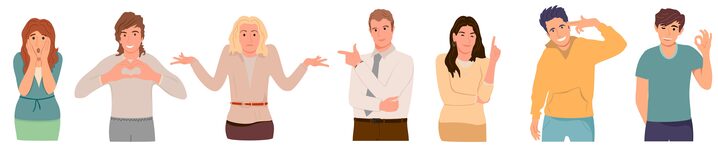
Nonverbal communication is like the Wi-Fi of human interaction: you can’t see it, but it’s there, connecting everyone. Here’s what it looks like in action:
- Facial expressions: Smiles = happy. Frowns = not-so-happy. (Most of the time!)
- Gestures: A thumbs-up says “great,” while shrugging shoulders might mean “I don’t know.”
- Tone of voice: The same words can mean different things depending on how they’re said.
- Body language: A person leaning in might be interested, while crossed arms can signal “stay away.”
Why Does It Matter?
Imagine trying to watch a movie without the sound or subtitles. That’s what it’s like to miss nonverbal cues in conversations. These signals:
- It helps you understand how people feel, even when they don’t say it outright.
- Make social interactions smoother—like knowing when to give someone space or when to offer comfort.
The Neurodiverse Experience
For neurodiverse people, nonverbal communication can sometimes feel like trying to read a book in a foreign language. Here’s why:
- Facial expressions can be subtle: Is that a sarcastic smile or a genuine one?
- Social rules vary: Eye contact might be polite in one culture but awkward in another.
- Cues can be mismatched: Someone says, “I’m fine,” but their tone says otherwise—confusing, right?
How to Decode and Master Nonverbal Communication
1. Play Detective
Think of social situations as mysteries to solve. Observe how people act when they’re happy, sad, or stressed. Here’s how to practice:
- Watch TV shows without sound—can you guess what’s happening based on expressions and gestures?
- Pay attention to how people’s tone of voice changes in different situations.
2. Be Curious, Not Afraid
When in doubt, ask! It’s better to clarify than to guess wrong. For example:
- “I noticed you’re quiet—are you okay?”
- “You said you’re fine, but your tone sounds upset. Is there something on your mind?”
3. Practice in Safe Spaces
Ask trusted friends or family to help you practice nonverbal cues. Play games like charades or roleplay conversations to make it fun.
4. Use Cool Tools
Technology can make learning nonverbal communication easier and more engaging:
- Apps that teach facial expressions and tone recognition.
- Videos that explain body language step by step.
5. Celebrate Small Wins
Recognize a happy smile? Notice someone’s tone was kind? Celebrate these moments—it means you’re getting the hang of it!
Tips for Others: How to Support Neurodiverse Friends
If you’re interacting with someone who’s neurodiverse, you can make things easier by:
- Saying what you mean: “I’m upset” is clearer than just crossing your arms.
- Being consistent: Match your words to your tone and body language.
- Being patient: Give them time to process and respond.
Final Thoughts: You’re Not Alone
Nonverbal communication can feel like a maze, but with practice and support, you can find your way. Remember, no one gets it right all the time—not even neurotypical people! The key is to stay curious, keep learning, and ask for help when you need it.


Quite good topic
It is remarkable, it is very valuable answer