
We often hear the term “neurodiversity,” but what does it really mean? Neurodiversity refers to the idea that everyone’s brain is unique, and this uniqueness should be respected and celebrated.
Neurodiverse people have unique ways of thinking, learning, and processing the world around them. This can include those with conditions such as autism, ADHD, dyslexia, and other neurological variations.
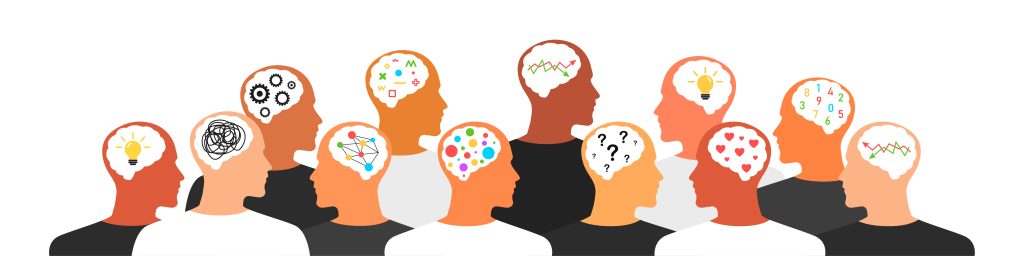
Let’s take a look at some of the incredible strengths and talents neurodiverse individuals bring to the table:
1. Creativity and Outside-the-Box Thinking
Neurodiverse individuals often see the world from a different perspective. They may think creatively and come up with new ideas that others might not consider. Many people with ADHD, for instance, are known for their ability to think on their feet and generate fresh, innovative solutions. Their brains can make connections between seemingly unrelated ideas, leading to original and imaginative thinking.
2. Strong Attention to Detail
Some neurodiverse people, particularly those on the autism spectrum, are known for their exceptional attention to detail. They may notice patterns or details that others might overlook. This skill can be incredibly valuable in areas like data analysis, coding, and even art, where precision and accuracy are essential.
3. Hyperfocus
While it might be difficult for some neurodiverse individuals to stay focused on tasks they find uninteresting, many have the remarkable ability to hyperfocus on things they are passionate about. When working on a project they love, they can dedicate intense concentration and energy, often achieving great results in a shorter amount of time. This strength is particularly common among people with ADHD.
4. Problem-Solving Skills
Many neurodiverse people are excellent problem solvers. They may approach challenges differently, using their unique perspectives to find creative solutions. This ability to think outside the box can be especially valuable in roles that require innovative thinking, such as engineering, design, or research.
5. Resilience
Living in a world that isn’t always designed for neurodiverse minds can be challenging, but many neurodiverse individuals develop incredible resilience. They learn to adapt, overcome obstacles, and persevere despite difficulties. This strength makes them determined and resourceful, qualities that are beneficial in both personal and professional life.
6. Specialized Skills and Interests
Some neurodiverse individuals have a deep passion for certain subjects, leading them to develop specialized skills. For example, someone with autism might have an exceptional memory for facts and figures or a deep knowledge of a specific topic. These specialized skills can make them experts in their field, contributing unique insights and expertise.
Real-Life Example:
- Temple Grandin

One of the most well-known examples of a successful neurodiverse individual is Temple Grandin, who is on the autism spectrum. Temple Grandin is a professor of animal science, an inventor, and a renowned advocate for both autism and animal welfare.
Despite facing challenges with social communication growing up, Temple’s unique way of thinking allowed her to revolutionize the livestock industry. She has designed more humane systems for handling cattle, used by farmers worldwide, by drawing on her ability to think in pictures. Her neurodiverse brain helped her understand animal behavior in a way others hadn’t considered, leading to groundbreaking improvements in animal care.
Temple Grandin’s success demonstrates how neurodiverse individuals, with the right support, can make profound contributions to society. Her achievements in both animal science and autism advocacy continue to inspire countless people globally.
Conclusion
Neurodiverse individuals offer extraordinary strengths that can benefit us all. By embracing these unique talents, we foster creativity, innovation, and resilience in our world. Let’s celebrate neurodiversity and recognize that different ways of thinking are part of what makes humanity so incredible!


